Introduction
micro limit switches are essential components in many machines and devices. They help control the movement of mechanical parts safely and accurately. Without these switches, many operations would face challenges. This can lead to safety issues and machine failures. Understanding the different types of micro limit switches can help you choose the right one for your needs. For example, some switches are better for high-speed applications, while others work well in harsh environments (like outdoors or around water). In this article, we will explain the various types, benefits, and applications of micro limit switches. 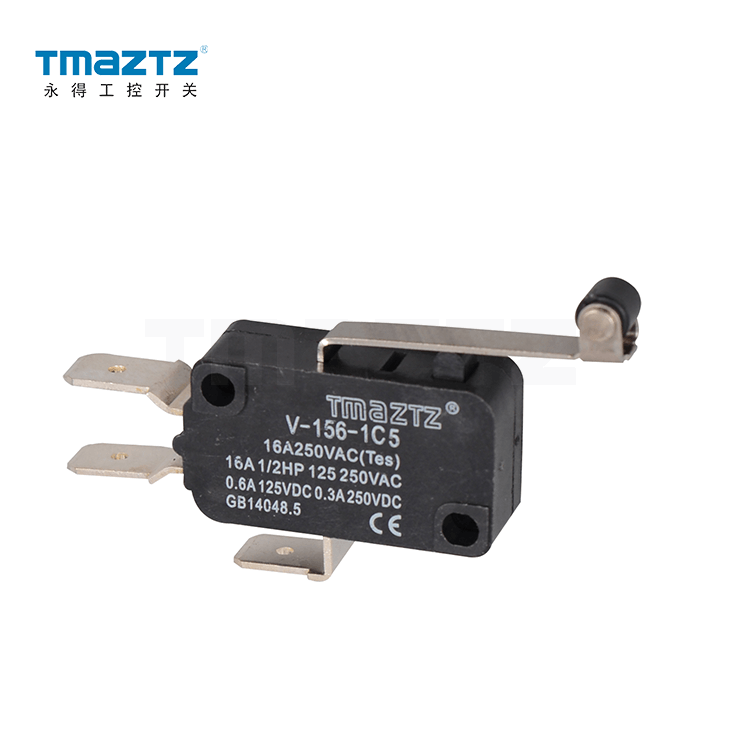
Summary Answer
**Micro limit switches come in various types, such as snap-action, roller, and sealed switches. These switches are used in many applications, including industrial machinery, safety systems, and consumer electronics.**
1. Types of Micro Limit Switches
Micro limit switches can be categorized into several types. Each type has unique features that make them suitable for specific tasks:
1.1 Snap-Action Switches
- These switches quickly change positions.
- They provide a distinct click sound when activated.
- Commonly used in safety devices.
1.2 Roller Switches
- Designed with a rolling actuator.
- Often used in complex movements.
- Helps in controlling larger objects.
1.3 Sealed Switches
- Built to withstand harsh environments.
- Protect against dust and moisture.
- Ideal for outdoor applications or where cleaning is necessary.
1.4 Toggle Switches
- Simple on/off functions.
- Easy to operate.
- Commonly found in appliances and vehicles.
1.5 Micro Switches
- Very sensitive and small.
- Used in home appliances, like microwaves and toasters.
- Useful for detecting small movements.
1.6 Designed for Safety Applications
- Equipped with advanced features.
- Often found in emergency stop systems.
- Designed to prevent accidents or machine failures.
2. Applications of Micro Limit Switches
Micro limit switches have applications across various industries. Here are some common uses:
2.1 Industrial Machinery
- Used for position sensing.
- Controls when machines start or stop.
- Ensures correct operation for safety.
2.2 Consumer Electronics
- Found in remote controls and home appliances.
- Helps achieve efficient device management.
- Key for user-friendly designs.
2.3 Automotive Sector
- Used in doors and windows of vehicles.
- Controls lights and other electronic features.
- Enhances user experience and safety.
2.4 Medical Equipment
- Ensures precise movements in machines.
- Critical for patient safety.
- Used in devices like X-ray machines.
2.5 Robotics and Automation
- Plays crucial roles in feedback systems.
- Detects position changes in robots.
- Essential for automated tasks.
2.6 Safety Systems
- Acts as emergency shut-off switches.
- Protects users from dangers.
- Often found in factory settings and workshops.
Conclusion
In summary, micro limit switches come in different types, including snap-action, roller, sealed, toggle, micro switches, and safety-specific designs. These components play vital roles in various applications like industrial machinery, consumer electronics, automotive systems, medical devices, robotics, and safety systems. Understanding the types and applications of micro limit switches is crucial for selecting the right switch for your needs.
FAQ
What is a micro limit switch?
Micro limit switches are small safety devices that control the mechanical movement of machines and equipment.
How do micro limit switches work?
They operate using a small actuator that activates the switch when pushed or moved, sending a signal to control a process.
Where can I use micro limit switches?
These switches can be used in various applications, such as industrial machinery, automotive systems, and consumer electronics.
Are micro limit switches waterproof?
Some types, like sealed switches, are waterproof and designed for outdoor or harsh environments.
How do I choose the right micro limit switch?
Consider factors like the environment (indoor vs. outdoor), the type of movement, and the required sensitivity when choosing a switch.
Can I replace a micro limit switch myself?
If you have basic mechanical skills and knowledge of electrical systems, you can usually replace a micro limit switch yourself, but ensure safety precautions are followed.